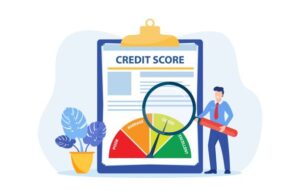

How to Improve Your Credit Score in India: A Complete Beginner’s Guide
A good credit score plays a crucial role in your financial life. Whether you are applying for a personal loan, home loan, business loan, or even a credit card, your credit score can decide approval, interest rate, and loan amount. In India, lenders usually rely on CIBIL score, which ranges from 300 to 900.
In this blog, we will explain what a credit score is, why it matters, and practical steps to improve your credit score legally and safely.
What Is a Credit Score?
A credit score is a three-digit number that reflects your creditworthiness. It is calculated based on your past borrowing and repayment behavior. In India, major credit bureaus include:
- CIBIL (TransUnion CIBIL)
- Experian
- Equifax
- CRIF High Mark
Among these, CIBIL score is the most widely used by banks and NBFCs.
Credit Score Range Explained:
- 750 – 900: Excellent (High approval chances)
- 700 – 749: Good
- 650 – 699: Average
- Below 650: Poor (Loan rejection likely)
Why Is Credit Score Important?
Your credit score affects:
- Loan approval or rejection
- Interest rate on loans
- Credit card eligibility
- Loan amount offered
- Trust factor with lenders
A higher score means lower risk for banks, which results in better loan terms.
Top Reasons for Low Credit Score
- Late EMI or credit card payments
- Loan defaults or settlements
- High credit card usage
- Multiple loan or credit card applications
- No credit history (new users)
- Errors in credit report
7 Proven Ways to Improve Your Credit Score
1. Pay EMIs and Credit Card Bills on Time
Payment history has the biggest impact on your credit score. Even one missed EMI can reduce your score significantly.
Tip: Set auto-debit or reminders to avoid late payments.
2. Keep Credit Utilization Below 30%
Credit utilization means how much credit you use out of your total limit.
Example: If your credit limit is ₹1,00,000, try to use less than ₹30,000.
3. Avoid Too Many Loan Applications
Every loan or credit card application results in a hard inquiry. Multiple inquiries in a short time negatively affect your score.
4. Don’t Close Old Credit Cards
Old credit cards increase your credit history length, which is good for your score.
5. Check Your Credit Report Regularly
Sometimes, your credit report may contain errors like incorrect personal details or wrong loan records. Always review your report carefully.
6. Avoid Loan Settlement if Possible
Loan settlement may look easy, but it badly impacts your credit score. A “settled” status is worse than “closed”.
7. Build Credit If You Have No History
If you are new to credit, start with a secured credit card or a small loan and repay it on time.
How Long Does It Take to Improve Credit Score?
Improving a credit score takes time:
- Minor improvement: 2–3 months
- Significant improvement: 6–12 months
Consistency is the key.
Final Thoughts
A good credit score is not built overnight. With discipline and smart financial habits, anyone can improve their score. Always check your credit score before applying for a loan to increase approval chances and get better interest rates.